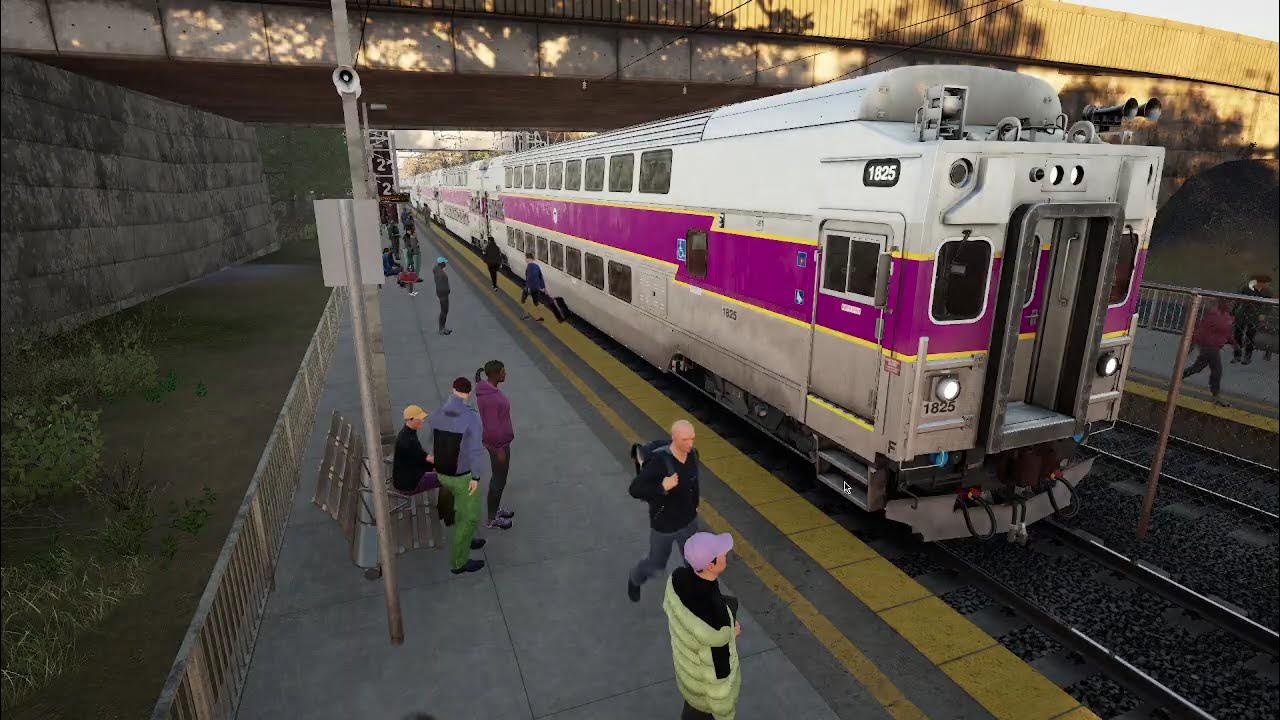
Providencestoughton Line Your Guide To Smooth Rail Travel
Lead: In the bustling corridor connecting Rhode Islands capital to the heart of Boston, the Providence/Stoughton Line stands out as a critical artery for commuters and leisure travelers alike. This essential rail service offers a reliable and efficient alternative to congested highways, redefining the experience of intercity transit. This article delves into the operational excellence, widespread appeal, and practical benefits that make the Providence/Stoughton Line an invaluable asset for those seeking smooth rail travel across the region, exploring everything from its daily functionality to its broader impact on urban mobility.
What Is the Providence/Stoughton Line?
The Providence/Stoughton Line is a key component of the Massachusetts Bay Transportation Authoritys (MBTA) Commuter Rail system, serving as a vital link between Providence, Rhode Island, and Bostons South Station. Operated by Keolis Commuter Services under contract to the MBTA, it is one of the most heavily trafficked lines, providing daily service for thousands of passengers. The line offers a robust schedule, designed to accommodate peak commuting hours as well as off-peak travel, ensuring flexibility for various needs. Its route encompasses several significant communities, offering direct connections to urban centers and suburban hubs. The line's primary purpose is to offer a dependable, cost-effective, and environmentally friendlier travel option compared to driving, alleviating traffic burden and parking challenges in metropolitan areas.
Why the Providence/Stoughton Line Is Trending
The growing interest in the Providence/Stoughton Line can be attributed to several converging factors that highlight its increasing significance in regional transportation. Economic shifts, coupled with a renewed focus on sustainability, have positioned rail travel as an attractive option. Rising fuel costs and the persistent challenge of traffic congestion on major arteries like I-95 and I-93 make the predictability and comfort of train travel highly appealing. Furthermore, a cultural shift towards reducing individual carbon footprints has led many to opt for public transit. The line's consistent service, coupled with ongoing efforts to modernize infrastructure and improve passenger experience, contributes to its perceived value and increasing popularity among a diverse ridership, including daily commuters, students, and tourists exploring New England.
Dates, Locations, or Key Details
The Providence/Stoughton Line traces its operational history back decades, evolving significantly since its inception to become the modern, efficient service it is today. Key stations along its route include:
- Providence, Rhode Island: The southern terminus, a major hub for Amtrak and MBTA services.
- South Attleboro, Massachusetts: A key park-and-ride location serving southern Massachusetts and northern Rhode Island.
- Mansfield, Massachusetts: A busy suburban stop popular with commuters.
- Stoughton, Massachusetts: A significant point where some trains terminate, providing critical service to this community.
- Route 128 (Westwood, Massachusetts): Another major interchange and parking facility, offering connections to other parts of the region.
- Hyde Park, Massachusetts: Serving a dense residential area within Boston.
- Back Bay, Boston: A crucial stop providing access to central Bostons commercial and cultural districts.
- South Station, Boston: The northern terminus, a massive transportation hub connecting to Amtrak, other MBTA Commuter Rail lines, and the subway system.
How To Get Involved or Access the Providence/Stoughton Line
Accessing the Providence/Stoughton Line is designed to be straightforward for both regular and occasional travelers:
- Check Schedules: The MBTA website and its official mobile application provide up-to-the-minute schedules, real-time train tracking, and service alerts.
- Purchase Tickets: Tickets can be bought through several convenient methods:
- MBTA mTicket App: The easiest and most recommended option for purchasing and activating tickets directly from a smartphone.
- Ticket Vending Machines (TVMs): Available at major stations, accepting cash and credit/debit cards.
- Ticket Offices: Located at larger stations like Providence and Boston South Station.
- Onboard (with surcharge): A limited number of tickets can be purchased from the conductor on the train, often incurring an additional surcharge.
- Understand Fares: Fares are determined by the distance traveled (zone system). Research the correct zone for your origin and destination to ensure proper ticket purchase.
- Plan Your Journey: Utilize online trip planners or the MBTA app to map out your route, including any necessary connections to other MBTA services (subway, bus).
- Parking: Most suburban stations offer paid parking facilities. Information on parking availability and rates is typically found on the MBTA website.
What To Expect
- Reliable Schedules: Generally punctual service, especially during non-disruption periods, allowing for consistent travel planning.
- Comfortable Seating: Commuter rail cars offer spacious seating, often with tray tables and power outlets on newer trains, suitable for work or relaxation.
- Onboard Amenities: Restrooms are available on all trains, and some newer cars offer Wi-Fi access, enhancing the travel experience.
- Scenic Views: The route offers glimpses of New England landscapes, particularly outside urban areas, providing a more pleasant journey than highway travel.
- Designated Quiet Cars: Often available during peak hours, these cars provide a serene environment for those wishing to avoid noise.
The Broader Impact of the Providence/Stoughton Line
The Providence/Stoughton Line exerts significant influence beyond its direct passengers, playing a crucial role in regional connectivity and economic development. By providing a high-capacity transport solution, it actively reduces road congestion, easing the burden on heavily trafficked interstates and local roadways. This not only shortens travel times for drivers but also lessens wear and tear on infrastructure. Environmentally, the line contributes to lower carbon emissions compared to equivalent car travel, supporting broader sustainability goals. Its presence also bolsters local economies by facilitating access for workers and customers to businesses situated near stations, fostering urban revitalization in communities along its route. The line acts as a critical enabler for major events in Boston and Providence, providing efficient transport for attendees without adding to parking woes.
The Providence/Stoughton Line is more than just a train service; it's an essential artery for regional economic vitality and sustainable urban living. Its consistent operation allows thousands to commute efficiently, reducing our collective environmental footprint and connecting communities in a meaningful way, remarks a representative from a regional planning commission.
Economic or Social Insights
From an economic standpoint, the Providence/Stoughton Line represents a substantial public investment in infrastructure that yields considerable returns in productivity and accessibility. It links critical employment centers with residential areas, facilitating labor mobility and supporting regional economic integration. Real estate markets near MBTA stations often experience higher demand and property values, a phenomenon frequently cited in urban planning reports by entities like the Lincoln Institute of Land Policy. Socially, the line promotes equitable access to employment, education, and healthcare facilities for diverse populations, irrespective of car ownership. Its role in fostering a greener urban environment aligns with contemporary social values advocating for reduced reliance on fossil fuels and increased public health benefits from cleaner air, as often highlighted by environmental policy groups and urban studies researchers.
Frequently Asked Questions About the Providence/Stoughton Line
- What is the Providence/Stoughton Line? The Providence/Stoughton Line is a commuter rail service operated by the MBTA, connecting Providence, Rhode Island, to Boston's South Station, with intermediate stops through southeastern Massachusetts.
- Why is the Providence/Stoughton Line popular? Its popularity stems from its efficiency, reliability, comfort, and the increasing demand for sustainable and cost-effective alternatives to driving in a congested region.
- How can people participate or experience it? Individuals can experience the line by purchasing tickets via the mTicket app, at station vending machines, or ticket offices, and boarding trains at any of its designated stations.
- Is it legitimate or official? Yes, the Providence/Stoughton Line is an official and integral part of the Massachusetts Bay Transportation Authority (MBTA) Commuter Rail system, a public transit agency.
- What can attendees or users expect? Passengers can expect a generally punctual service with comfortable seating, onboard amenities like restrooms, and a less stressful travel experience compared to driving.
Conclusion
The Providence/Stoughton Line continues to be a cornerstone of regional transportation, offering an unparalleled solution for smooth rail travel between two major New England cities. Its ongoing significance in connecting communities, reducing environmental impact, and providing a reliable transit option cannot be overstated. As the region continues to grow and evolve, the lines role as a guide to efficient and comfortable rail journeys will only solidify, proving its worth as an indispensable public asset.
Call to Action: To plan your next journey or to learn more about schedules, fares, and service updates, visit the official MBTA website or download the mTicket app. Discover the convenience and comfort of the Providence/Stoughton Line for yourself.